


Cold bathroom tiles on winter mornings don't have to be part of your daily routine. If you're considering a heated bathroom floor upgrade, you'll want to shop bathroom floor radiant heating systems that deliver reliable warmth and energy efficiency. A heated bathroom floor has evolved from expensive luxury to an accessible upgrade in 2026.
Stepping onto warm floors instead of freezing tiles transforms your bathroom experience entirely. But the benefits go beyond comfort - modern electric systems offer efficiency advantages that can reduce your energy costs while improving your daily routine.
The technology has reached a maturity point where installation is straightforward, operating costs are predictable, and reliability spans decades. Modern heating systems, such as LuxHeat, are easy to install and provide reliable and long lasting comfort to your bathroom floors.
You've got two options for radiant floor heating:
A heated bathroom floor uses electric radiant heating technology installed beneath your floor surface. Think of it as thin heating cables or pre-arranged mats that warm up when activated. Heat radiates upward through your tiles.
Unlike forced-air systems that blow hot air around the room, radiant heating starts at floor level. It rises naturally. You feel warmth directly through your feet, so you stay comfortable even when the air temperature is lower.
For bathroom applications, electric radiant heating systems are almost always the better choice. Hydronic systems circulate hot water through tubing beneath the floor and are well suited for whole-home heating, but they rely on boilers, pumps, and complex plumbing infrastructure. That level of complexity rarely makes sense for a single bathroom.
Electric systems connect directly to your home’s electrical supply and operate through a wall-mounted thermostat. This allows for true zone control, with each bathroom set to its own temperature and schedule. You can enjoy a warm floor when you need it without heating the entire house or relying on a central boiler system.
Hydronic systems tend to make sense only when heating large areas—typically 1,000 square feet or more—or entire homes where the upfront infrastructure investment is shared across multiple rooms. In contrast, for a typical 50–100 square foot bathroom, electric systems deliver better overall value, simpler maintenance, and more precise control.
Installation is another major differentiator. Electric systems are relatively straightforward to install: the heating mat or cable is laid out, embedded in mortar, and connected to a thermostat. Many homeowners can handle the layout and floor preparation themselves, with a licensed electrician completing the final electrical connection where required. Hydronic systems, on the other hand, are difficult and costly to retrofit. They require professional installation, access to boiler capacity, additional plumbing, and careful coordination between trades, which significantly increases labor costs and project complexity.
The heating elements are essentially resistance wires that convert electricity into warmth. They are extremely energy efficient as 100% of the energy is converted into heat output. When current flows through the cable, the heat produced transfers through the surrounding mortar and warms the entire floor surface.
Your flooring material acts as a thermal mass, absorbing and storing the heat before radiating it into the room. Tile, stone and marble floors work exceptionally well because they conduct heat efficiently and retain warmth even after the system cycles off.
The system operates on a simple principle: controlled electrical resistance creates consistent heat output across the entire floor area. No moving parts, no complex mechanisms - just reliable heat generation exactly where you need it.
Modern thermostats give you precise control over your heated bathroom floor. ProLux Materials is an authorized distributor for the OJ Microline thermostat range from Denmark - an industry leading thermostat brand and known for their intuitive control and accurate sensing. These units measure both air temperature and floor temperature simultaneously, so you can set preferences based on what feels most comfortable.
Want a warm floor but cooler air? Set it. Prefer controlling by room temperature instead? That works too.
The dual-sensing feature means better energy efficiency. The thermostat adapts to your preferences and adjusts heating accordingly. You're not just getting temperature control - you're getting an intuitive system that learns how you use your bathroom.
The experience surprises most people. Instead of hot air hitting your face or cold spots in corners, you get even warmth across the entire floor surface. The heat feels natural and gentle.
It's never too hot to touch but consistently comfortable underfoot, the sweet spot is usually between 77 and 87°F (25–30°C) That feels perfectly cozy without being uncomfortable. The warmth spreads through the room gradually, creating a spa-like atmosphere.
The heat distribution is remarkably uniform. Traditional heating creates temperature variations - hot near vents, cold by exterior walls. Radiant floors eliminate these inconsistencies by heating the entire surface area evenly.
Many users report feeling comfortable at lower air temperatures once they have heated floors. The direct warming of your body from below creates comfort even when ambient air is 65-68°F instead of the typical 72-75°F needed with conventional heating.
The benefits of a heated bathroom floor go well beyond warm feet. Radiant floor heating addresses several common bathroom challenges while delivering efficiency advantages that surprise first-time users.
Radiant heat doesn't just warm your floor. It helps maintain a comfortable temperature throughout the bathroom. Heat dissipates evenly from the floor heating people and objects. You get consistent temperatures without hot and cold zones that forced-air systems create.
During winter months, heated floors can reduce your reliance on central heating in that area. The efficient heat delivery means you feel comfortable at lower air temperatures. You can often turn down your main thermostat.
This zoning effect provides significant advantages. Instead of heating your entire home to make the bathroom comfortable during morning routines, you heat just the bathroom floor. The rest of your house can stay at lower temperatures, reducing overall energy consumption.
Heated floors also address common bathroom heating challenges. Bathroom vents often provide inadequate heating due to high ceilings, tile surfaces that feel cold, and frequent door opening that lets warm air escape. Floor heating solves these issues by creating a consistent warmth source that doesn't depend on air circulation.
The efficiency comes from how heat reaches you. Traditional heating systems warm air, which rises to the ceiling where you don't feel the benefit. Radiant floors warm people and objects directly. Less energy gets wasted.
Studies show radiant floor systems operate 10-30% more efficiently than forced-air heating. For a typical bathroom, operating costs run around $8-$11 per month. That's less than running a space heater for the same comfort level.
The systems also offer perfect zone control. You heat only the bathroom when you need it. No heating the entire house to make one room comfortable.
Consider this scenario: You currently heat your whole house to 72°F during morning hours. With a heated bathroom floor, you can set your main thermostat to 68°F and still feel comfortable due to the warm floor.
That 4°F reduction can reduce heating costs by 10-15%. For a $200 monthly heating bill, that's $20-$30 in savings. Your heated floor costs $10 to operate, creating net savings of $10-$20 monthly during heating season.
Heated floors provide air quality advantages that many homeowners don't initially consider. Forced-air systems circulate dust, allergens, and pet dander throughout your home. Radiant heating eliminates this circulation.
The gentle, even heating doesn't create air movement that stirs up particles. People with allergies or asthma often notice improved comfort in rooms with radiant heating. The system produces no combustion gases, dust burning on heating elements, or dry air that irritates sinuses.
Bathrooms benefit particularly from this clean heating approach. The space stays comfortable without fans blowing air around, preserving the peaceful environment many people seek in their bathrooms.
Cost considerations include both upfront installation and ongoing operating expenses. The good news? Heated bathroom floors have become much more affordable than many homeowners expect.
For typical bathroom installations covering 30-100 square feet, a heated bathroom floor costs range from $800 to $1,475. This includes materials and professional installation. That works out to roughly $14-$24 per square foot.
Several factors determine your investment:
Understanding cost components helps you make informed decisions:
Material costs represent 40-50% of total project expense. Quality heating mats or cables from ProLux cost $4-8 per square foot. Thermostats add $120-225. Installation accessories contribute $50-150.
Labor costs split between electrical and flooring work. Electricians charge $75-130 per hour for circuit installation - usually 2-4 hours for standard bathrooms. Flooring contractors charge $3-8 per square foot for specialized heating system installation.
Electrical requirements can add costs if upgrades are needed. Most systems draw 8-12 amps, requiring a dedicated 15-amp circuit. Adding this circuit costs $200-400. Full panel upgrades might cost $500-1,200.
Your total investment depends on several variables:
Installing during a larger bathroom renovation reduces costs significantly. Contractors are already handling flooring and electrical work. Retrofit installations in existing bathrooms cost more - you need to remove and replace finished surfaces.
Regional variations affect pricing. Metropolitan areas see higher labor rates but more competition. Rural areas have lower rates but longer travel times and fewer qualified installers.
Project timing influences costs - winter brings competitive pricing, while spring/summer sees premium rates as renovation demand peaks.
While heated floors aren't typically justified purely on energy savings, the combination of comfort, efficiency, and home value can provide meaningful returns.
Energy savings might reduce heating costs by $15-40 monthly during cold weather. Over a 30-year system lifespan, that's $4,500-12,000 in savings. Factor in avoided space heater purchases and reduced furnace wear, and the financial benefits accumulate.
Home value impact varies by region and buyer preferences. In colder climates, heated bathroom floors are increasingly expected in updated homes. Real estate professionals report that buyers notice and value this feature, particularly in luxury and mid-range markets.
Like any home upgrade, heated floors come with significant advantages and some considerations worth understanding before making your investment decision.
The advantages include:
Comfort advantages extend beyond warm feet. The even heat distribution eliminates the temperature fluctuations common with other heating methods. You won't experience cold drafts, hot spots near heaters, or the stuffiness that forced-air systems can create.
Safety features matter in bathrooms. Radiant floor heating has no exposed elements that get hot. No moving parts. Everything sits safely beneath the floor surface, regulated to temperatures that feel warm but never burn. Kids can play on the floor. You won't accidentally touch a hot radiator.
Operational silence contributes significantly to bathroom ambiance. No furnace cycling, no fan noise, no ductwork expansion and contraction sounds. The heating happens silently in the background, preserving the peaceful environment that makes bathrooms relaxing.
Maintenance simplicity appeals to busy homeowners. Once installed, electric radiant systems require virtually no attention. No filters to change, no annual tune-ups, no mechanical components to service. The thermostat might need replacement after 10-15 years, but the heating elements typically outlast the flooring above them.
Installation complexity requires coordination between trades. Electrical work must meet code. Heating placement demands precision. This adds time and cost compared to simpler heating solutions.
Response time affects daily patterns. Radiant floors take time to heat flooring thermal mass. Smart scheduling becomes important - pre-heat before usual bathroom times.
Repair scenarios require planning. Cable damage during future work means removing flooring sections. Keep installation documentation to minimize repair scope.
Installation involves multiple coordinated steps. Professional installation ensures optimal performance and safety compliance, though understanding the process helps you plan better.
The installation follows these key steps:
Most professional installations take 2-3 days to complete.
Day 1: Subfloor preparation and heating system layout. Remove existing flooring, inspect subfloor, install insulation if needed, and position heating elements.
Day 2: Embed heating system in mortar or self-leveling compound. Begin tile installation after proper curing.
Day 3: Complete flooring, electrical connections, and thermostat programming. System testing ensures proper operation.
Post-installation: Wait 10-14 days for complete curing before activating the heating system.
Extending radiant heating into your shower area takes bathroom luxury to the next level. Modern systems handle wet environments safely when properly installed.
Shower floor heating uses the same electric cable technology as main bathroom floors. But it requires additional waterproofing considerations. Heating elements must be rated for wet areas. All electrical connections must stay outside the shower zone.
The warm shower floor prevents cold shock when stepping in. It helps floors dry faster after use. Many homeowners say this upgrade feels like having a spa at home.
Comfort improvements are immediately noticeable. Cold tile shock disappears completely, replaced by gentle warmth that makes shower experiences more enjoyable. The heated surface feels particularly luxurious during winter months or in homes with poor bathroom heating.
Practical advantages include faster drying times and reduced mildew potential. Warm surfaces evaporate water more quickly, keeping shower floors cleaner and reducing maintenance needs. The consistent warmth also helps prevent condensation issues common in poorly heated bathrooms.
Safety benefits come from improved traction on warm, dry surfaces. Cold, wet floors can be slippery and uncomfortable. Heated floors stay warmer and dry faster, providing better footing and reduced slip risks.
Heated shower floors add installation complexity due to waterproofing and electrical safety requirements. But the comfort benefit is substantial if you prioritize daily luxury.
Cost increment is modest when planned with main floor heating. You use the same systems and labor. The key is ensuring proper waterproofing integration and keeping splices outside wet areas.
Installation considerations require extra attention to waterproofing details. All factory splice connections must remain outside wet areas, typically 24 inches from shower perimeters. This planning requirement affects system layout and may limit heating coverage in some shower configurations.
Ongoing benefits justify the additional complexity for many homeowners. The daily comfort improvement, combined with practical advantages like faster drying, creates lasting value. Users consistently report high satisfaction with heated shower floors once installed.
A heated bathroom floor makes sense for homeowners who value daily comfort and long-term efficiency. The technology has matured - quality systems provide decades of reliable service with minimal maintenance.
Start by evaluating your situation:
Is your bathroom unbearably cold? Especially during winter months when stepping onto icy floors feels brutal? Heated floors solve this exact problem. The difference is immediate - no more shock to your system during morning routines. No more rushing through your bathroom time because the floor is freezing.
If multiple people use your bathroom during busy mornings, everyone benefits. That comfort improvement affects daily quality of life for the whole household. Winter mornings become something you don't dread.
Evaluate renovation timing. Installing heated floors during bathroom updates maximizes value and minimizes disruption. The incremental cost when already replacing flooring is significantly lower than retrofit installations.
Budget considerations should include both upfront costs and long-term value. The initial investment provides decades of daily benefit. Compared to other luxury upgrades, heated floors often deliver better cost-per-use value.
Operating costs remain minimal - $8-11 monthly during heating season. The efficiency benefits may offset some costs through reduced central heating needs.
Home value varies by market, but heated floors rarely decrease value and often increase buyer interest, particularly in colder climates.
Take these next steps:
Timeline planning accounts for design decisions, permits, and scheduling - typically 4-8 weeks from decision to completion. Contractor selection significantly affects success - look for specific radiant heating experience, proper licensing, and manufacturer training.
The investment delivers daily comfort dividends and potential home value increases. Real estate professionals note that heated floors are increasingly mentioned as desirable features by buyers, particularly in premium markets.
Ready to move forward?
Browse our heated floor products to see what's possible for your bathroom. The comfort of warm bathroom floors every morning might be closer to reality than you think.
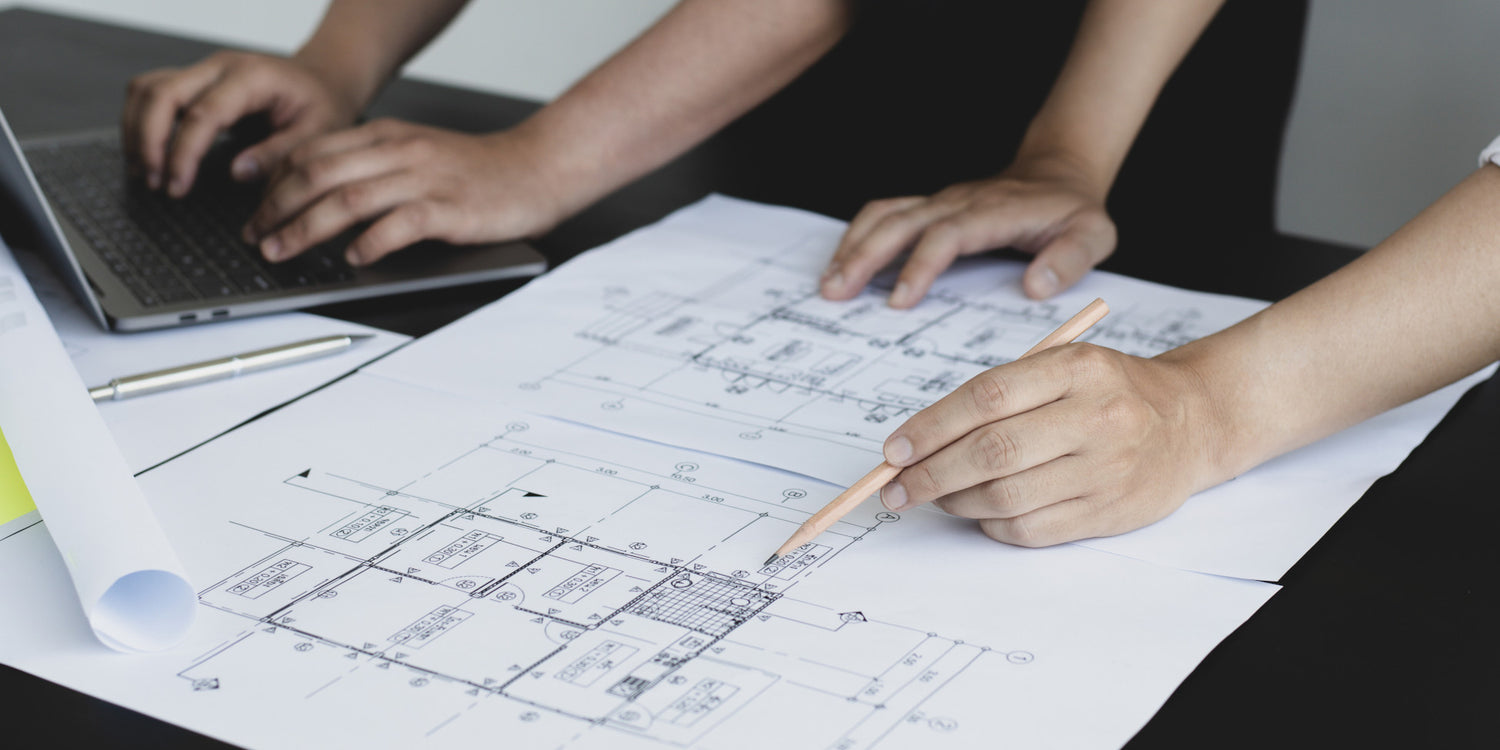
Need help planning your installation? ProLux Materials offers design assistance to help you determine the right system size and layout for your space.
Have questions about which products fit your specific bathroom? Reach out - we're here to provide the technical support and guidance that makes your project successful.
Are heated bathroom floors worth it?
Yes, heated bathroom floors add daily comfort by eliminating cold tile, provide gentle and even warmth, and operate efficiently with little to no maintenance. The cost is relatively modest, and the long-term comfort and added home appeal more than outweigh the initial outlay.
Can a heated bathroom floor be installed during a renovation or as a retrofit?
Yes. Heated bathroom floors are easiest and most cost-effective to install during a renovation when flooring is already being replaced. Electric systems are best suited for retrofit projects, as they can be installed over existing subfloors with minimal impact on floor height.
What type of flooring works best with heated bathroom floors?
Tile and stone are ideal for heated bathroom floors because they conduct and retain heat efficiently. Porcelain and ceramic tile are the most common choices, while luxury vinyl and laminate flooring products also work well when installed within manufacturer temperature limits.
How long do electric heated bathroom floors last?
Quality electric radiant floor heating systems are designed to last for decades. With proper installation and protection beneath the flooring, the heating elements typically outlast the finished floor above them and require little to no maintenance.
Can you install radiant heating in a shower floor?
Yes, radiant heating can be installed in shower floors when properly planned. Heated shower floors must be integrated with a complete waterproofing system, and all electrical connections and factory splices must remain outside wet areas, following manufacturer and code requirements.
Our under floor heating experts will work on the design and layout of your project, for free!

