


Heated bathroom floors promise everyday comfort and a touch of luxury, but are they actually worth the investment? If you're considering this upgrade, view our heated bathroom floor systems to better understand what’s involved. The decision goes beyond warm tiles. It’s about weighing long-term comfort, installation realities, and how the system fits into your bathroom design.
Many homeowners explore heated floors expecting spa-like comfort. While that expectation is often met, smart buyers take time to understand both the benefits and the practical considerations before investing.
This guide breaks down the pros and cons of heated bathroom floors based on real-world usage and technical factors, helping you decide if this upgrade aligns with your lifestyle and renovation plans.
Electric radiant floor heating offers several advantages that go far beyond eliminating cold tile. Modern systems from ProLux Materials are designed to deliver targeted comfort, energy-conscious operation, and long-term reliability.
The comfort difference is immediate and consistent. Instead of stepping onto cold surfaces, your bathroom floor becomes a gentle, evenly heated surface.
Many users report feeling comfortable at lower air temperatures once heated floors are installed, which can subtly improve overall comfort without increasing energy use.
Heated bathroom floors offer efficiency through targeted heat delivery rather than heating unused air volume.
Most homeowners operate bathroom floor heating during peak usage hours rather than continuously. While these systems are not designed primarily for cost savings, they can contribute to efficient comfort when used strategically.
Radiant floor heating works well with most hard bathroom flooring materials, with some offering especially strong performance.
Heated bathroom floors are increasingly viewed as a quality feature in modern homes. While they should not be evaluated as a direct resale return, they can enhance buyer perception and help properties stand out.
In colder regions especially, buyers recognize radiant floor heating as a comfort-focused upgrade associated with thoughtful renovations and updated systems.
While heated floors offer clear benefits, understanding their limitations helps set realistic expectations and ensures a smoother renovation experience.
All radiant floor heating systems add some thickness to the floor assembly. This should always be considered during planning, especially in bathrooms with tight height tolerances.
Modern electric heating cables typically add minimal height and are embedded within the tile mortar layer. When planned correctly, this usually results in little to no noticeable change at doorways or transitions, especially compared to thicker hydronic systems.
Heated bathroom floors require an upfront investment, making them best viewed as a comfort and lifestyle upgrade rather than a short-term cost-saving feature.
The value comes from daily use. For homeowners who spend time in the bathroom every morning and evening, the comfort benefit compounds over years rather than showing immediate financial return.
Radiant floor heating warms the floor mass itself, meaning it does not deliver instant heat like portable heaters. This is a natural characteristic of radiant systems.
Once the floor reaches temperature, maintaining warmth requires significantly less energy. Using programmable or smart thermostats with modest setback temperatures allows the system to maintain comfort efficiently without repeated long heat-up cycles.
Heated bathroom floors are designed to enhance comfort at floor level, not replace your home’s main heating system.
In bathrooms, where bare feet meet cold surfaces, this localized warmth is often more impactful than raising the air temperature alone. Many homeowners find they feel comfortable at slightly lower air temperatures once radiant floors are installed.
Heated floors perform best when incorporated early in the bathroom design process. Planning allows for proper floor build-up, electrical placement, and thermostat positioning.
For this reason, heated floors are most seamless and cost-effective during renovations rather than last-minute retrofits.
The right choice depends on your comfort priorities, bathroom usage, and renovation plans.
Before deciding, consider how often cold floors disrupt your daily routine. If the answer is frequently, heated bathroom floors can deliver meaningful, lasting comfort.
Ready to explore your options? Browse our heated bathroom floor systems to see solutions designed for reliable comfort and long-term performance.
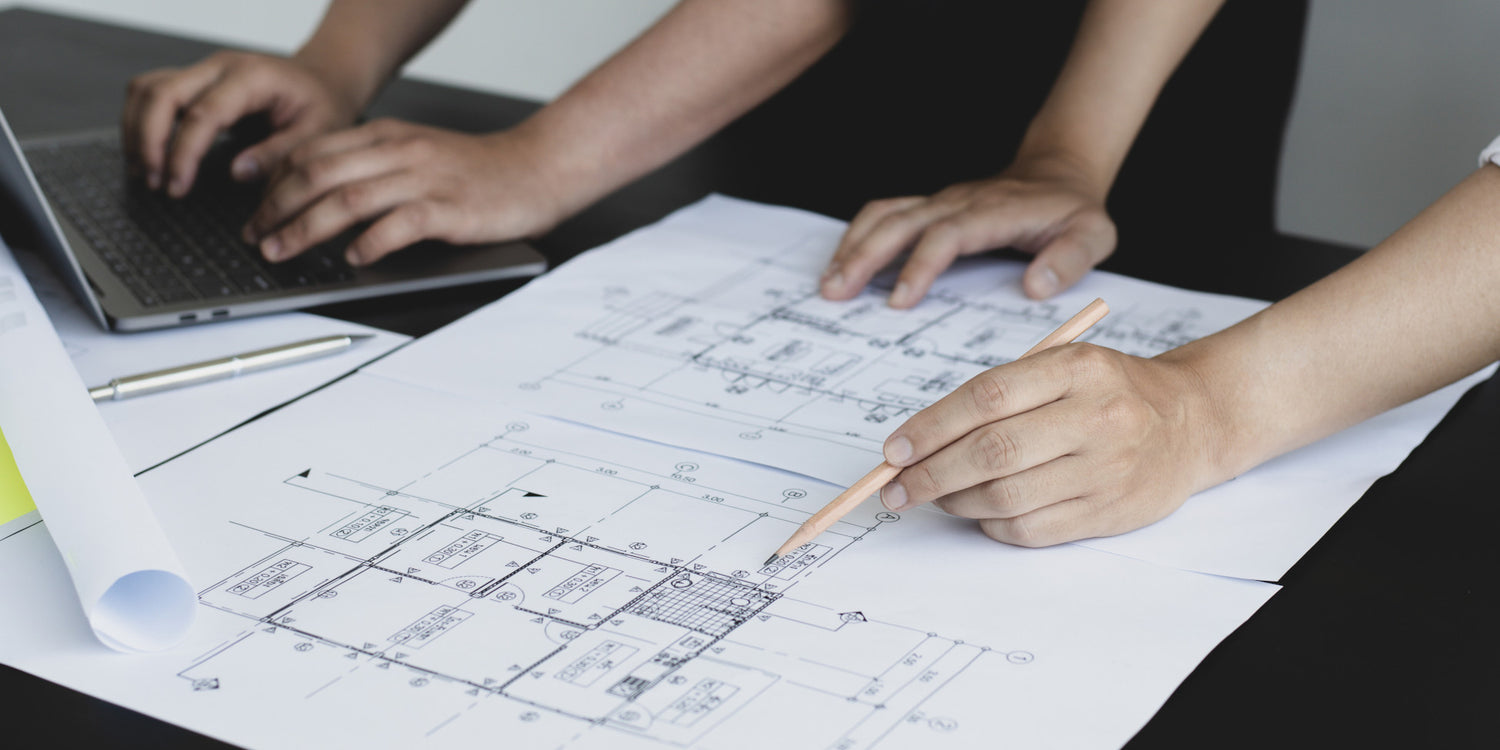
Our under floor heating experts will work on the design and layout of your project, for free!

