


Installing heated floors in your bathroom transforms cold mornings into a far more comfortable experience. While professional installation is always an option, understanding how the process works helps you plan properly and avoid common mistakes. If you're ready to begin, view our bathroom floor heating systems designed for reliable performance and straightforward installation.
This guide provides a clear overview of how heated floor systems are installed, including tools, materials, safety considerations, and when professional help is required. The process requires attention to detail, but many homeowners with basic electrical and flooring knowledge can complete the project successfully.
Modern electric systems like Prolux’s LuxHeat line simplify installation compared to older systems. Pre-configured mats, integrated controls, and clear layouts make the process more manageable, but careful planning is still essential to avoid costly mistakes later.
Heated bathroom floors are one of the most appreciated upgrades in a home. They provide consistent, evenly distributed warmth underfoot, making daily routines more comfortable, especially during colder months.
Due to their silent, invisible, and radiant operation, heated floors provide a level of comfort and luxury for your bathroom that is unmatched by any other heating solution.
Most systems are designed to maintain a floor temperature between approximately 77°F and 86°F. This creates a warm surface without overheating the space.
Before selecting a system, you need to calculate the correct heated area. This is not your total bathroom floor size. It is only the open floor area, excluding permanent fixtures such as vanities, toilets, and bathtubs.
Most bathrooms have between 30 and 100 square feet of heated space, even if the overall room is larger.
Heating cables cannot be cut or shortened, so selecting the correct system size is critical. Ordering too much leads to wasted material, while ordering too little results in limited coverage and cold spots.
Preparation is key. Having the correct tools and materials ready ensures a smoother installation process and reduces delays.
In most installations, the heating system is part of a larger floor assembly that may include uncoupling membranes, waterproofing, and insulation layers. These components work together to improve performance and prevent long-term issues.
Heating mats provide the easiest option for standard, rectangular bathroom layouts. They come pre-spaced on mesh backing and can be rolled out quickly.
Loose cable systems are better suited for irregular spaces or tighter layouts. They take more time to install but allow for greater flexibility in heat placement.
Loose cables typically require fixing strips or uncoupling membranes to maintain consistent spacing and secure placement.
Fixing strips provide a simple but secure fixing solution, while uncoupling membranes offer the extra advantage of built-in uncoupling and anti-crack properties - ideal for tiled bathrooms.
Thermostats control temperature and efficiency. Options range from simple manual controls to programmable and smart Wi-Fi models that allow scheduling and remote adjustments.
Most modern thermostats, including OJ Microline models carried by Prolux, include built-in GFCI protection. However, the system must still be installed according to electrical code requirements, including a dedicated circuit and proper grounding.
Floor sensors monitor surface temperature to prevent overheating and maintain consistent comfort. Most systems include one, but installing a backup sensor is recommended for long-term reliability.
Installation monitors help detect cable damage during installation. They provide an early warning if the cable is compromised before it is covered.
Using quality materials is important for long-term performance. Cutting corners at this stage often leads to issues later.
Installing a heated floor system involves several stages. While exact steps vary depending on the system and layout, the overall process follows a consistent sequence.
Before installation begins, the system should be tested using a multimeter to confirm it is functioning correctly. This ensures there is no damage before the system is embedded in the floor.
A clean, level, and stable subfloor is essential. Any uneven areas, debris, or structural issues should be addressed before installation, as heating systems can amplify existing imperfections over time.
For concrete subfloors, insulation boards may be used to reduce heat loss and improve efficiency.
Electrical preparation should be planned in advance. This includes installing a thermostat box, running a dedicated circuit, and ensuring all wiring meets local code requirements.
A licensed electrician should handle all final electrical connections to ensure safety and compliance.
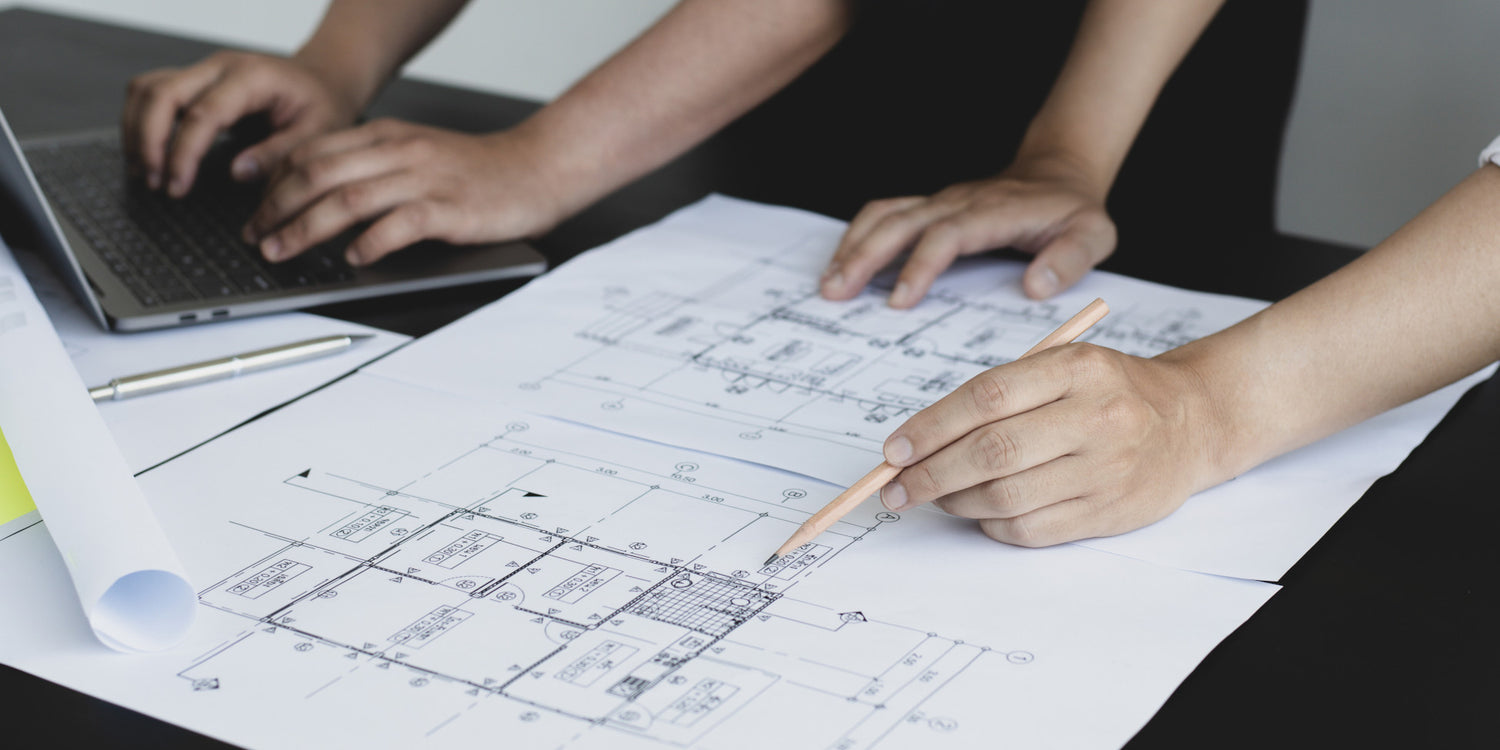
The heating elements are laid according to a pre-planned layout, starting near the thermostat location. Proper spacing is critical to ensure even heat distribution and to prevent overheating.
The floor sensor is positioned between heating cables to accurately monitor temperature.
Once the heating system is secured, it is covered with thinset mortar or self-leveling compound. The flooring material, typically tile or stone, is then installed on top.
Care must be taken to fully embed the cables with no air pockets to ensure safe and even heat distribution.
After the flooring has cured, the system is connected to the thermostat. A final test is performed before powering the system.
The system should be gradually brought up to temperature over several days to prevent stress on the flooring materials.
Typical Cost: Heated bathroom floor systems generally range from $10 to $20 per square foot installed, depending on materials and labor.
Timeline: Installation usually takes 1 to 2 days, followed by a curing period of 7 to 14 days before the system can be turned on.
Many modern systems are designed for DIY installation, especially in simple bathroom layouts. However, electrical work should always be handled by a licensed electrician.
DIY installation can reduce costs and give you more control over the project. However, professional installation may be preferable for complex layouts or tight timelines.
The most common installation issues result from skipping steps, improper spacing, or insufficient testing. Careful planning and attention to detail significantly reduce these risks.
Browse our complete LuxHeat systems designed for reliable performance and easy installation.
Can heated bathroom floors replace room heating?
In the right installation conditions, floor heating can be used as the primary heat source for a bathroom. However, in most cases it is used to provide supplemental comfort and luxury.
Are heated floors safe in bathrooms?
Yes, when installed correctly with proper grounding, GFCI protection, and code-compliant wiring.
Can I install heated floors myself?
Many systems are suitable for DIY installation, but electrical connections should be completed by a licensed electrician.
What flooring works best with floor heating?
Tile and stone are the most effective because they conduct heat efficiently.
How long do heated floor systems last?
High-quality systems are designed to last decades and are often backed by long warranties.
Our under floor heating experts will work on the design and layout of your project, for free!

